Day 12
Colour an essential matter ✨️ 🎨

🎨 April is for Alchemy: Day Twelve
When Colors Began to Meet in public 😍
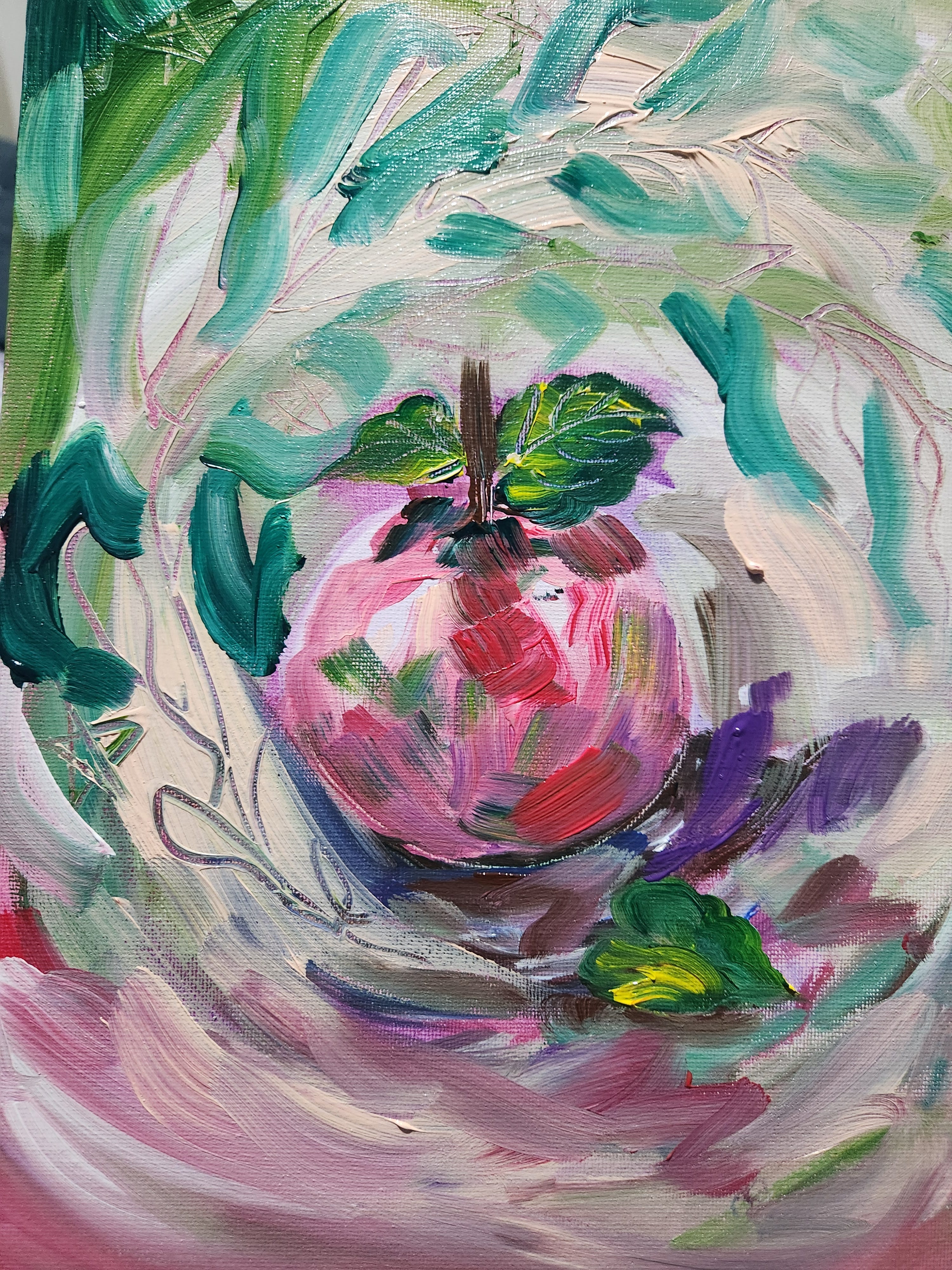
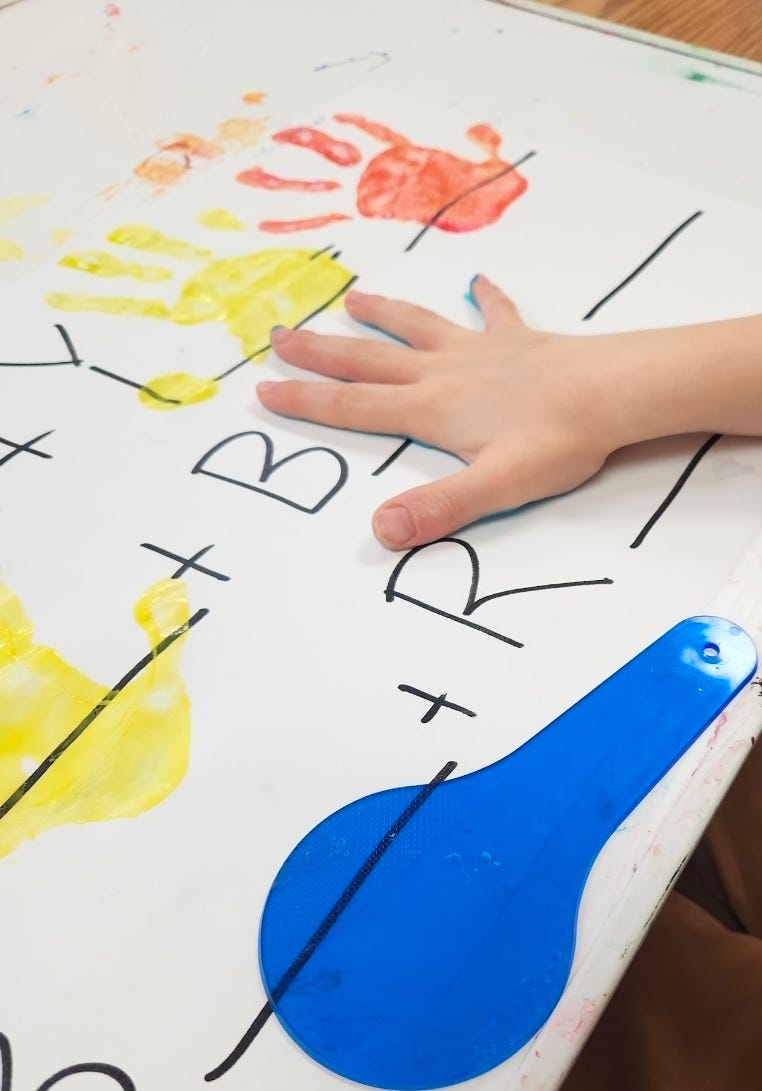
Secondary colors are created by blending.
It feels obvious now.
Red and blue make purple.
Blue and yellow make green.
Yellow and red make orange.
This is often one of the first things we learn.
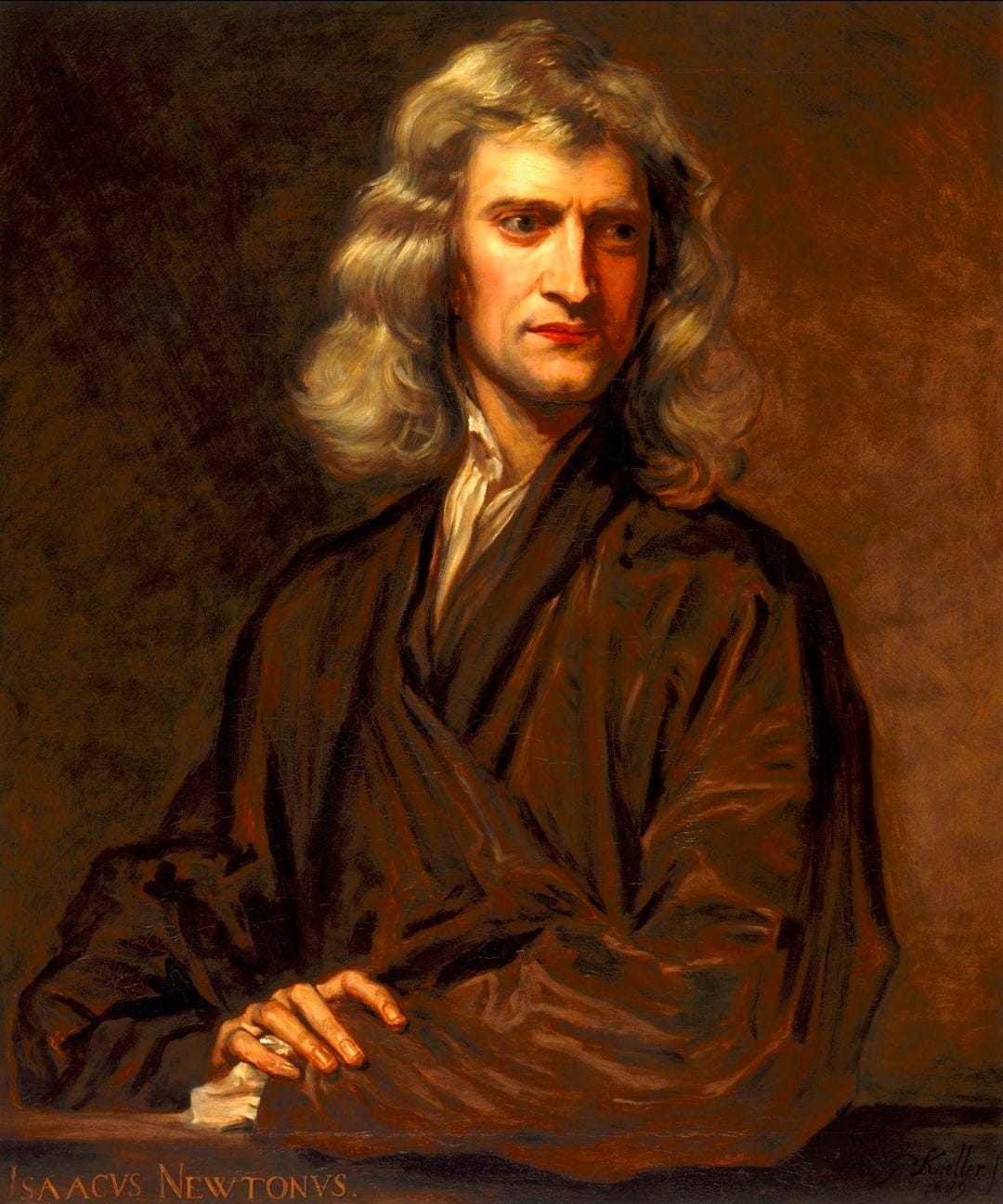
The most famous image of Newton is by Godfrey Kneller (1689)
Color has a long history
But it was not always this way.
In the early years of pigments and especially in dyes and textiles colors were not easily mixed.
They were sourced.
Grown.
Ground.
Extracted.
Traded.
Blue came from one place.
Yellow from another.
And combining them was not always simple—or even desirable.
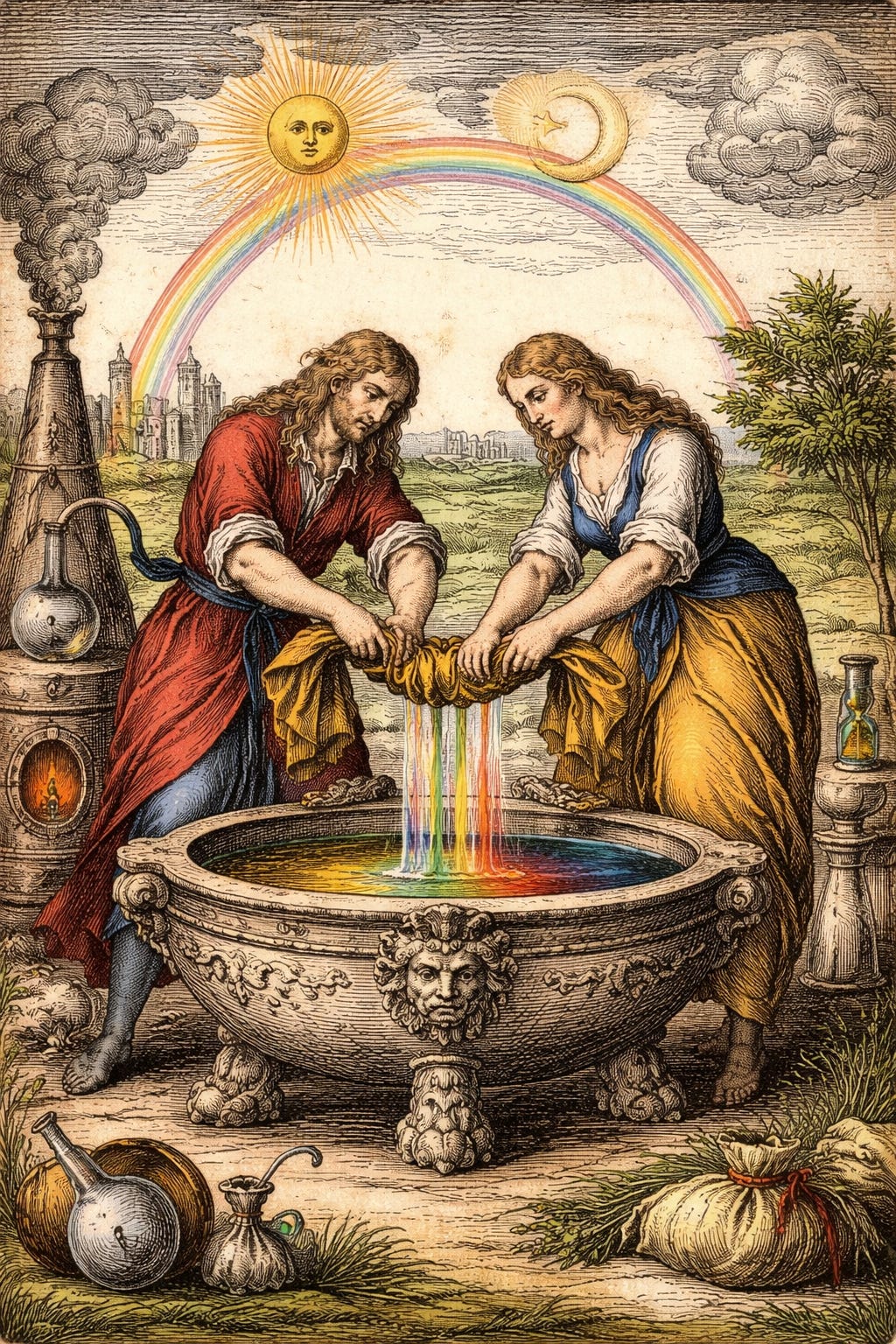
In many traditions, color was built in layers over time, not blended all at once.
Green, for example, might be achieved by dyeing cloth blue, then yellow.
Not mixed.
But transformed.
🜁 A Shift in Understanding
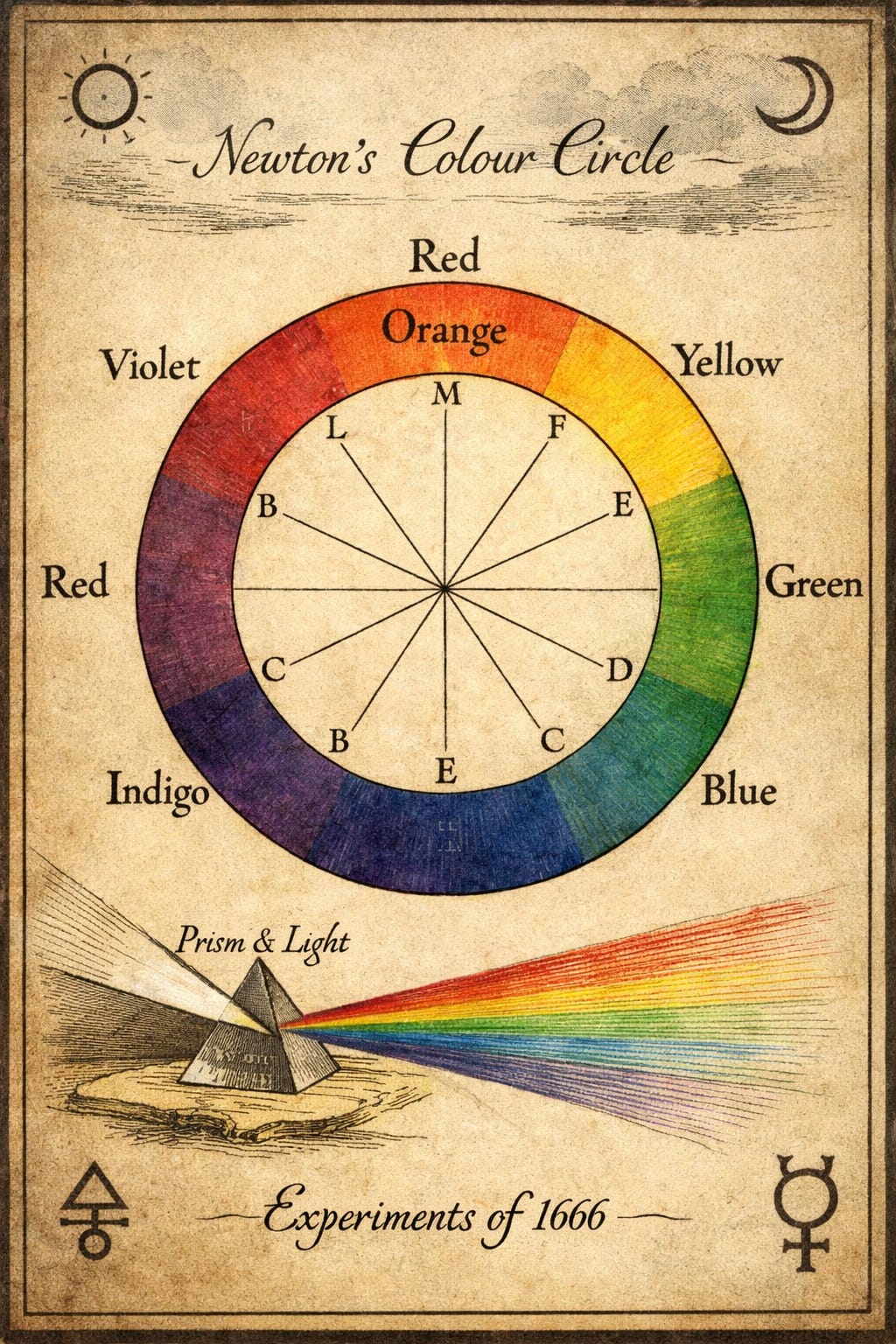
In 1666, Isaac Newton created one of the first color wheels.
By passing light through a prism, he showed that white light contains a spectrum—and then arranged those colors in a circle, revealing their relationships.
Color was no longer only material.
It was also light.
Organized.
Relational.
Circular.
⚖️ Two Ways of Seeing Color
Newton showed that color lives inside light.
But painters knew something else:
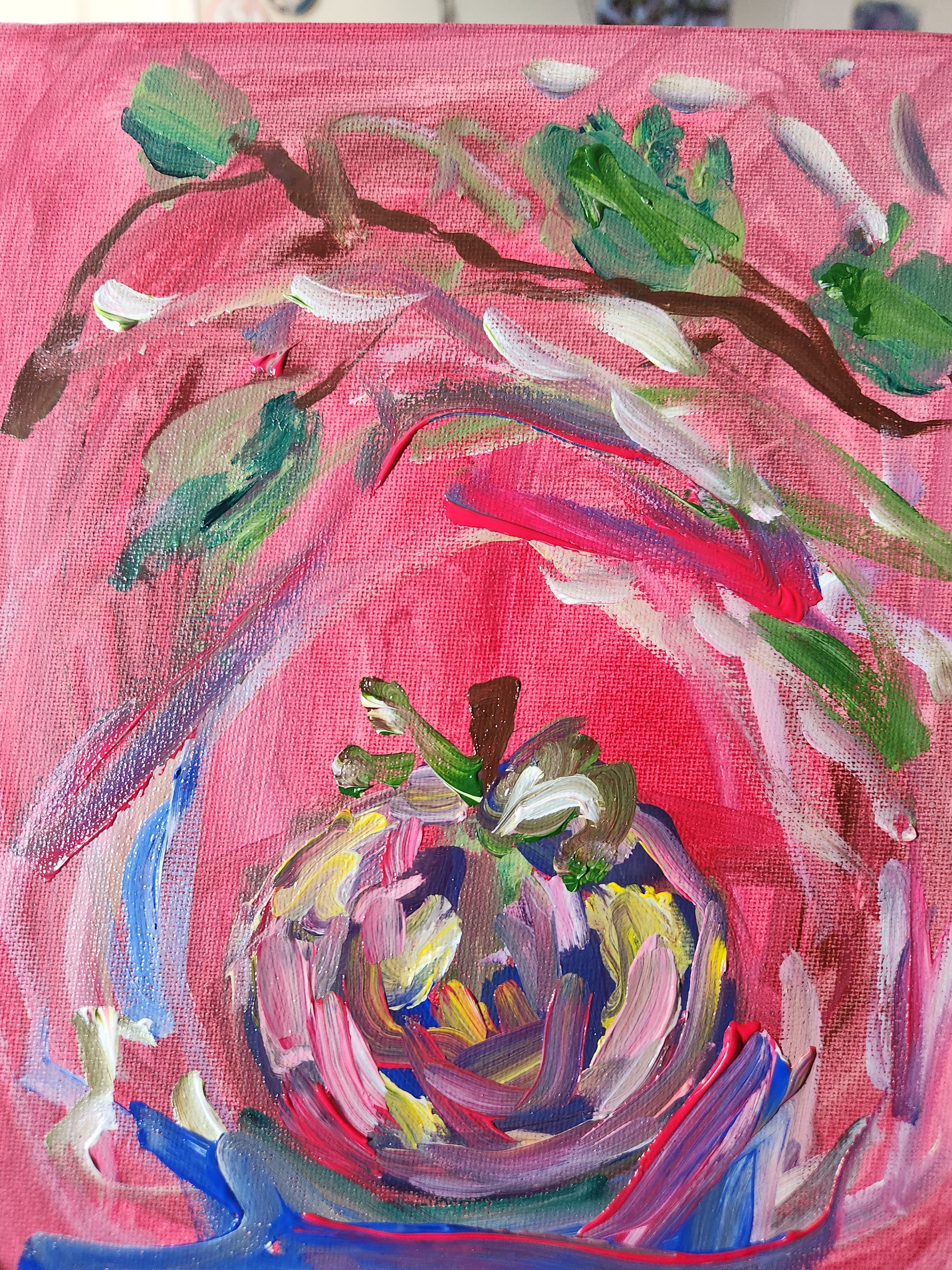
color also lives in the hand, in the material, in the act of mixing.
And the two do not behave the same.
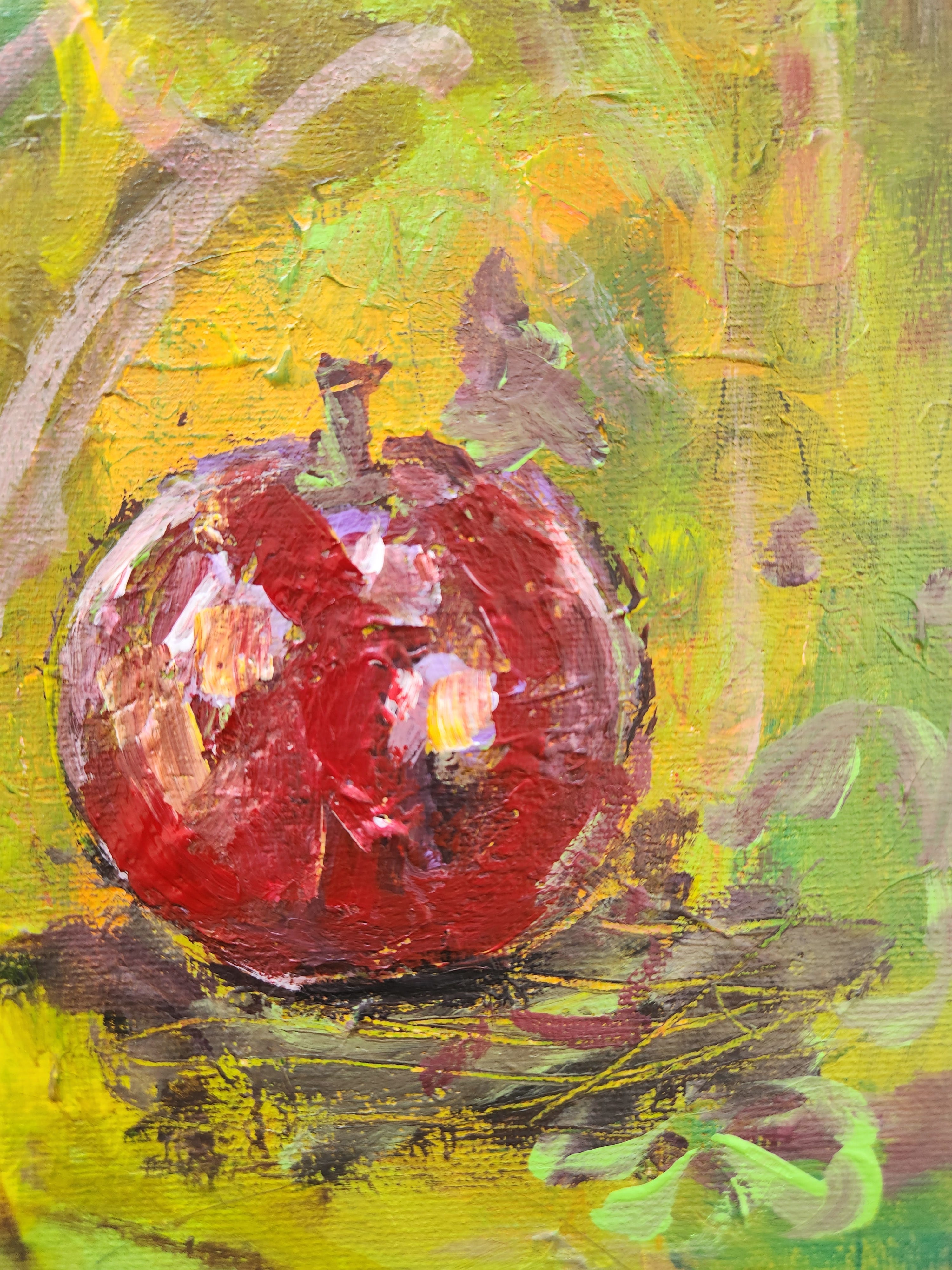
- Mix all light → white
- Mix all pigment → dark, muted, complex
One is additive.
One is subtractive.
Both are true.
⚗️ A Quiet Parallel
Newton’s work on light was not forbidden—but it did shift something fundamental.
Color was no longer only held in materials, but revealed as part of light itself.
And quietly, alongside this work, Newton was also studying alchemy—holding both worlds at once.
⚗️ From Substance to System
This shift changed everything.
Color moved from being:
- rare
- separate
- bound to source
to something that could be:
- studied
- arranged
- intentionally combined
As pigments became more available—and later, as chemistry advanced—artists gained more control.
Synthetic pigments emerged.
Consistency improved.
Mixing became reliable.
What was once difficult or restricted became everyday practice.
🎨 What This Means Now
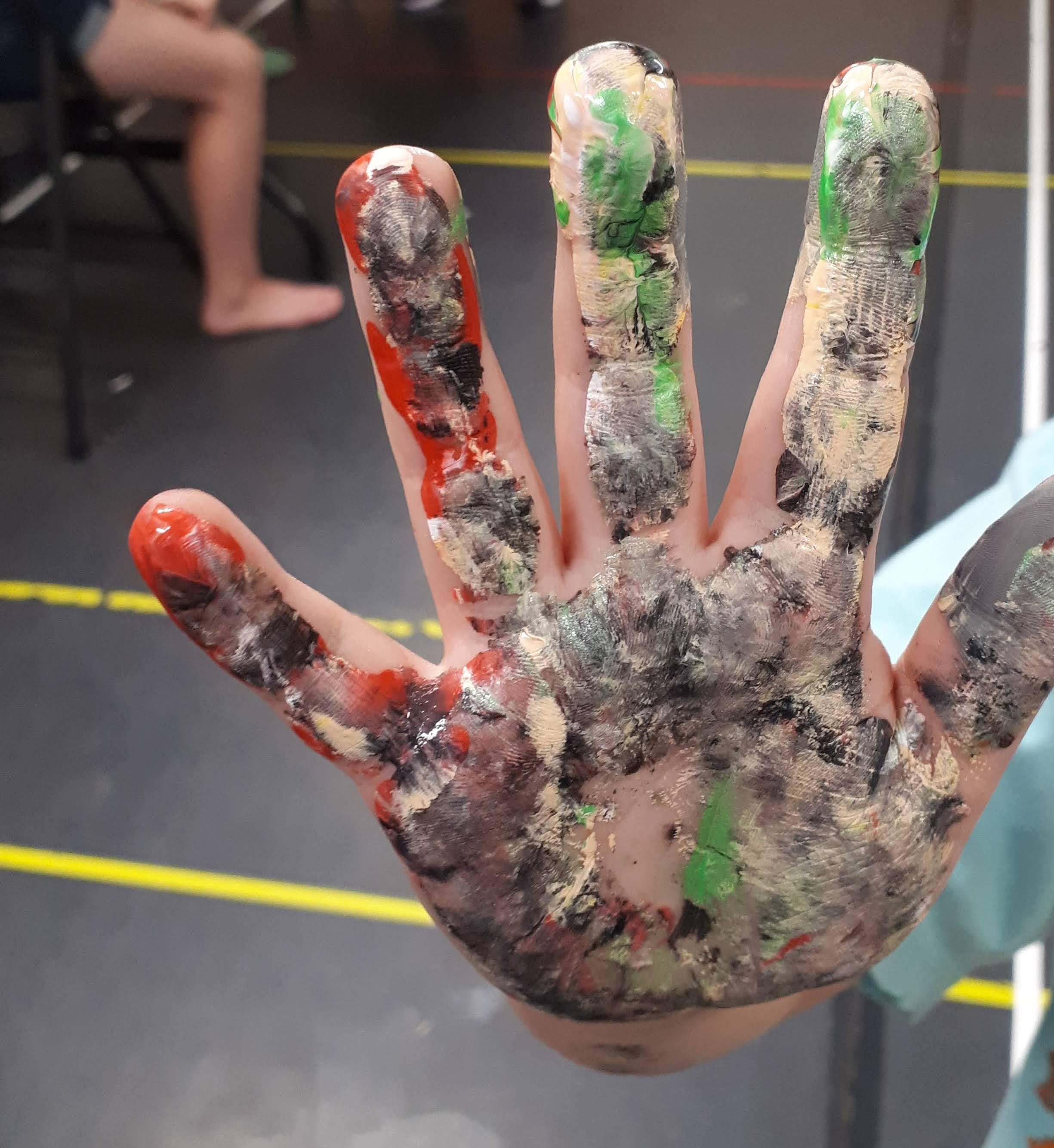
Today, blending colors feels natural.
Expected, even.
But when we mix:
we are participating in a shift that took centuries to unfold.
From:
color as material
to
color as relationship
🧵 To Continue
When you mix red and blue to make purple—
you are not just combining paint.
You are working between two understandings:
light and matter
theory and practice
structure and experience
Secondary colors remind us:
Something new can emerge
when two things are allowed to meet.
And sometimes—
that meeting changes everything.